
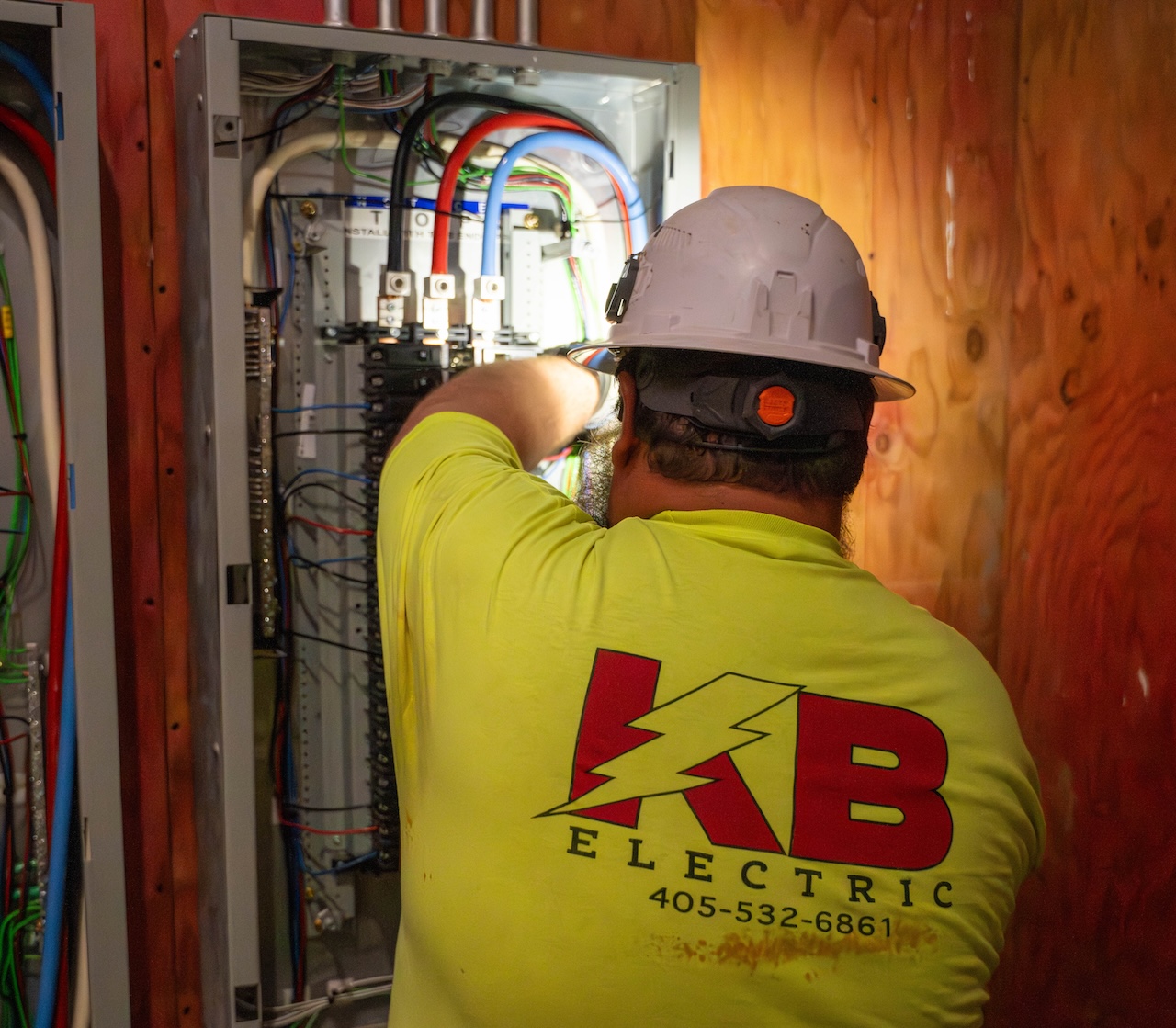
Electrical switchgear is the backbone of any commercial or industrial facility's power distribution system. It protects critical equipment, enables safe maintenance, and ensures your building can handle its electrical load reliably. Whether you're upgrading aging equipment or installing new gear in a construction project, proper preparation is essential to keeping the process on schedule and your operations running safely.
At KB Electric, we work with general contractors, facility managers, and municipalities across Oklahoma, Kansas, and Texas to plan and execute electrical switchgear installation projects that meet exacting standards — on time and without costly surprises.
Step 1: Conduct a Thorough Electrical Load Assessment
Before any switchgear installation begins, your electrical contractor needs a clear picture of your facility's current and projected power demands. This means auditing all existing equipment, lighting systems, HVAC loads, and any planned additions.
An undersized or mismatched switchgear configuration creates bottlenecks and safety hazards; an oversized system wastes capital. A qualified commercial electrical team will evaluate your load requirements, utility service specifications, and code requirements to recommend the right switchgear rating and configuration for your specific facility.
Step 2: Prepare the Physical Space and Infrastructure
Electrical switchgear installation requires a dedicated, accessible, and properly conditioned space. Facilities must ensure the switchgear room meets clearance requirements outlined in the NEC and manufacturer specifications — typically a minimum of 36 inches of working space in front of equipment. The space should be dry, well-ventilated, and protected from unauthorized access.
Structural considerations also matter: switchgear assemblies are heavy, and your flooring and access pathways must be able to accommodate the weight and dimensions of the incoming equipment. KB Electric coordinates site walks early in the planning process to identify and resolve any spatial challenges before delivery day.
Step 3: Coordinate Utility Shutdowns and Temporary Power
One of the most logistically complex aspects of switchgear installation is managing power continuity for your operations. Depending on the scope of the project, your facility may require a planned utility shutdown, temporary power arrangements, or a phased installation approach that keeps critical systems energized throughout the work. At KB Electric, our experts work closely with utility providers and facility stakeholders to develop a power transition plan that minimizes operational disruption — whether that means scheduling work during off-hours, weekends, or coordinating portable generator solutions to bridge the gap.
Step 4: Ensure Permits, Inspections, and Compliance Are Lined Up
Commercial electrical switchgear installation is a highly regulated activity. The right permits must be secured before work begins, and inspections must be scheduled at the appropriate project milestones. Working with a licensed commercial electrical contractor like KB Electric means you have a partner who manages the compliance process from start to finish — pulling permits, coordinating with the authority having jurisdiction (AHJ), and ensuring every aspect of the installation meets local, state, and NEC requirements. This protects your facility, your warranty, and your liability exposure.
Partner With KB Electric for Your Next Switchgear Project
Preparation is what separates a smooth electrical switchgear installation from a costly, disruptive ordeal. At KB Electric, we bring deep expertise in commercial and industrial electrical systems, a meticulous project management approach, and the licensed personnel to execute complex switchgear work safely and efficiently. If your facility is planning an upgrade or new installation, reach out today. Our team will walk you through the planning process, help you anticipate every variable, and deliver a finished installation that powers your facility with confidence for decades to come.

